Why Homemade Vegan Formula Can Be Dangerous
With the rise of plant-based parenting and growing skepticism about processed foods, some well-meaning families consider making their own baby formula at home. On the surface, it might seem like a wholesome, cost-effective, and transparent option. After all, homemade baby food is widely accepted — why not formula?
But the truth is, infant formula is not the place for experimentation. Creating a nutritionally complete, safe, and digestible formula for a baby is a precise science, not a DIY project. This article explores why homemade vegan baby formula is risky, what health experts advise instead, and how to find safe alternatives that align with your lifestyle and values.
The Temptation: Why Some Parents Try DIY Formula
Parents who pursue homemade vegan formulas are usually coming from a place of love and intention. They want to avoid dairy, control ingredients, and trust what they feed their baby. Social media, blogs, and online videos often make it seem accessible — blending plant milks, supplements, and oils into a bottle with the promise of purity and simplicity.
While those instincts are admirable, the outcome can be dangerous. Babies are not small adults. Their nutritional needs are specific, and even small imbalances can cause serious health problems in a short period of time.
Why Homemade Vegan Formula Falls Short
A newborn's diet must include precise levels of macronutrients (protein, fats, carbohydrates) and micronutrients (vitamins and minerals) — many of which are difficult to replicate outside of controlled, regulated manufacturing. Here are just a few key concerns:
- Nutritional Gaps: Homemade recipes often lack critical nutrients like vitamin B12, DHA, iron, iodine, and calcium, which are essential for early brain development, bone growth, and red blood cell formation.
- Unsafe Ingredients: Some plant-based milks like almond, oat, or homemade rice milk are far too low in protein and calories to sustain infant growth.
- Contamination Risk: Home kitchens do not follow the strict sterilization and quality testing that commercial formula production requires.
- Poor Digestibility: Ingredients not formulated specifically for babies may cause digestion issues, food intolerances, or allergic reactions.
In short, no homemade formula — vegan or otherwise — can match the precision, safety, and science behind commercial infant formulas.
Real Cases, Real Consequences
Unfortunately, health professionals have documented tragic outcomes linked to homemade formulas. In several high-profile cases, infants fed DIY plant-based or improperly diluted formulas developed conditions like failure to thrive, seizures, developmental delays, or worse.
In one case, a vegan couple in Belgium faced legal consequences after their child died from malnutrition caused by improper feeding. Other cases have involved hospitalizations due to electrolyte imbalances and vitamin deficiencies. These stories are heartbreaking reminders that best intentions are not always enough.
What Experts Say
The American Academy of Pediatrics (AAP), the FDA, and pediatric dietitians strongly advise against homemade formulas. According to the AAP, “Infant formulas are the only safe and recommended alternative to breast milk for babies under 12 months who are not breastfed.”
Even among vegan nutritionists, there is consensus: homemade formulas simply don’t meet the nutritional standards babies need in their first year. Most recommend choosing a high-quality, plant-based commercial formula that has been clinically tested and regulated.
Safe, Plant-Based Alternatives to DIY
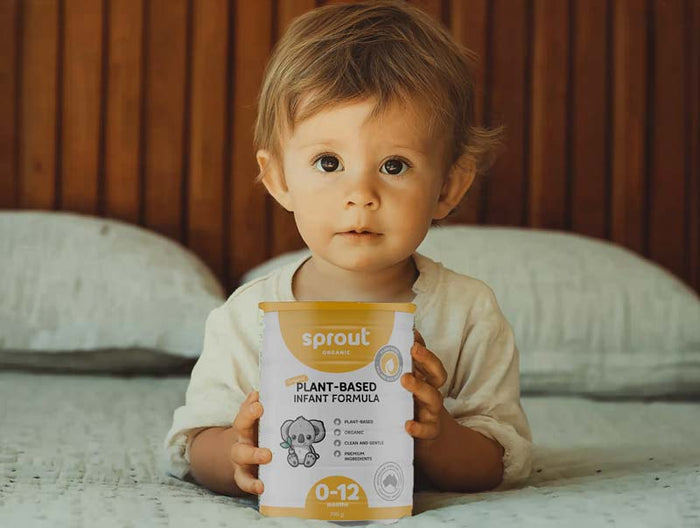
Fortunately, parents who want a vegan or dairy-free formula don’t have to go it alone. There are safe, rigorously tested formulas on the market that align with plant-based values:
- Premiriz (Premibio): 100% vegan, dairy-free formula with rice protein, DHA, and essential nutrients.
- HiPP HA or Comfort lines: While not vegan, they offer gentler digestion for families seeking alternatives to standard dairy-based formulas.
- Soy-based formulas: FDA-approved and often fortified with necessary nutrients, although some parents prefer soy-free options.
These products go through years of research, development, and safety trials to ensure your baby receives what they need to grow and thrive.

Understanding the Stakes: A Parent’s Role
Every parent wants to give their baby the best — and sometimes that desire leads to choices that feel natural but aren’t nutritionally sound. It’s not about blame; it’s about better understanding. When we know more, we do better.
Choosing a reliable, tested vegan formula allows you to honor your values without compromising your baby’s health. You don’t have to choose between ethics and nutrition. You can have both.
At Grow Organic Baby, we curate a selection of clean, plant-based and allergy-friendly formulas so you don’t have to guess. We do the research, ask the hard questions, and offer only the products we trust for our own families.
Formula with Integrity: Doing It Right from the Start
Homemade may work for baby food later on — but in the formula stage, your baby’s body depends on precision, not improvisation. Choosing a regulated vegan formula ensures you’re giving your child what they need to thrive.
Browse our trusted selection of vegan and organic infant formulas at Grow Organic Baby and give your baby the foundation they deserve — safe, nourishing, and aligned with your values.