Best Baby Formula for Constipation 2026
Discover which formulas promote comfortable digestion and regular bowel movements.

Share
Table of Contents
Quick Answer
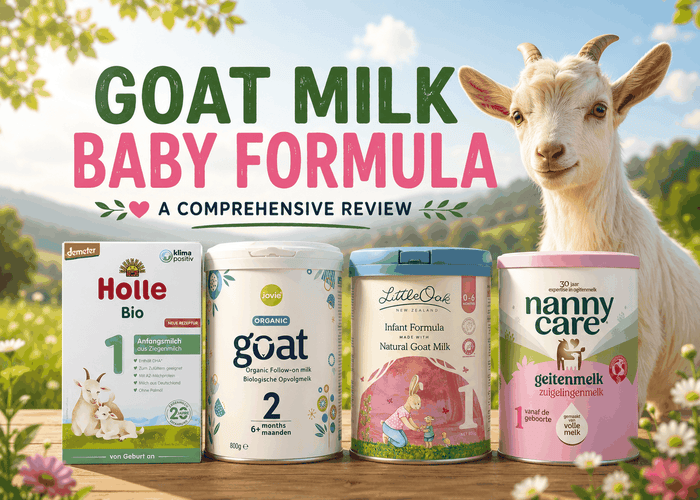
If your baby is suffering from constipation then switching to a palm oil-free, goat-milk formula will naturally produce softer, easier stools. Palm oil can bind calcium in the gut and harden stools. The A2 beta-casein naturally found in goat milk promotes comfortable digestion and regular bowel movements. Our gentlest palm oil free goat-milk options are Jovie Goat and LittleOak Goat.
HiPP Comfort is a cow-milk formula with a special composition that softens the stool and assists in regulating digestion. It has been specially developed with a reduced lactose content and hydrolyzed protein fibres.
Sprout Organic (100% plant-based and dairy-free). Always rule out other causes with your pediatrician first, since constipation in formula-fed babies can have several triggers. For the full ranking of clean brands, see our best organic baby formula guide.
Palm Oil and Constipation
“Is your baby constipated? One formula ingredient could be the reason why.”
Check your formula label for palm oil or palm olein. Watch the short video, then see our picks for constipation below.
Why is my baby constipated?
According to the National Institute of Health (NIH), the vast majority of infant constipation cases are functional, meaning they are temporary and related to diet or lifestyle changes rather than an underlying medical condition.
Constipation in children is very common, with a reported frequency of up to 30%, and introducing or switching baby formula is a lifestyle change associated with an increased risk of constipation. In less than 5% of cases, chronic or severe infant constipation is caused by an underlying medical issue.
When it comes to "normal" frequency for babies to poo, the range is very wide, some babies go up to seven times a day, others as little as once every seven days. As long as stools are soft and your baby is comfortable and content, this is considered normal. Some newborns poo after every feed, while others may go days without a bowel movement.
Two key signs your baby is constipated are:
- Hard, dry, or pebble-like stools
- Infrequent bowel movements, going more than 7 days without a poo
Why Does Formula Cause Constipation?
Infant formula can cause constipation in some babies because its consistency is thicker and harder for a baby's immature digestive system to break down compared to breast milk. While breast milk acts as a natural laxative, certain ingredients in baby formula can slow down digestion, leading to firmer, more compact stools.
| Common reasons formula causes constipation | Explanation |
|---|---|
| High casein protein levels | Breast milk is whey-dominant (60/40 whey/casein), which stays liquid in the stomach. Many standard formulas are casein-dominant, which clumps into dense curds that take much longer to digest. |
| Palm oil | Unabsorbed palm oil easily binds with calcium, creating a hard, insoluble "soap-like" substance that firms up stool. |
| Lack of active enzymes | Breast milk contains lipase, an enzyme that helps break down fat and aid nutrient absorption, keeping bowel movements soft. Formula lacks this. |
| Imbalanced gut flora | Unless explicitly added, formula lacks the natural oligosaccharides (prebiotics) that keep a baby's gut biome stocked with the good bacteria needed for soft, regular stools. |
| Mixing and concentration errors | Packing a scoop too tightly or adding too little water pulls hydration away from the baby's large intestine, causing dry, pellet-like stools. |
| Cow's milk protein intolerance | A small percentage of babies have a true Cow's Milk Protein Allergy (CMPA); their immune system reacts to the processed cow's milk base, causing gut inflammation that can present as severe constipation or loose, bloody stools. |
How Do Formula Brands Prevent Constipation?
Formula manufacturers use a mix of manufacturing techniques and ingredients to turn raw milk into a formulation that's nutritionally complete, tasty and gentle on digestion.
The milk is broken down into smaller, highly digestible peptides and then vitamins, minerals and prebiotic fibers like galacto-oligosaccharides are added, transforming raw milk into a delicious, nutrient rich formula that supports comfortable digestion.
| How manufacturers prevent constipation | Explanation |
|---|---|
| Protein approach | Cow's milk has a constipating 20:80 whey-to-casein ratio. Manufacturers flip this by separating out the heavy casein and replacing it with demineralized whey, closer to breast milk's 60:40 ratio. Goat milk is naturally the A2 beta-casein variant, which digests faster and increases stool water content. |
| Palm-oil-free | Skipping palm oil entirely by using a whole-milk base or custom vegetable oil blends. |
| Whole milk base | Retains natural, animal-derived fats and a higher lactose content, which acts as a mild natural laxative and stool softener. |
| Gut support ingredients | Prebiotics, probiotics, and synthetic Human Milk Oligosaccharides (HMOs) that feed and grow beneficial gut bacteria. |
| Hydrolyzed option | "Gentle," "hypoallergenic," or "comfort" formulas break dense protein chains into tiny, easily absorbed pieces that can't curdle into hard lumps, resulting in softer stools. |
The Best Baby Formulas for Constipation
Some of these approaches are mutually exclusive, so no single formula checks every box for preventing constipation. Below are the formulas best suited to babies prone to it.
Jovie Goat
Full-fat organic goat milk cream as its primary ingredient makes this a naturally gentler option for sensitive tummies.
- Naturally contains the A2 protein structure, which passes twice as fast as standard cow's milk formula, reducing gas and sluggish motility.
- The full-fat base naturally contains structured lipids like beta-palmitate, which prevents fatty acids from binding with calcium in the intestines, keeping stools loose and soft.
- 100% palm-oil-free. Uses organic sunflower and organic rapeseed oil in much lower volumes than skim-milk-base brands, since most of the required fat comes from the whole-milk base itself.
- Added GOS prebiotics that feed beneficial gut bacteria and actively draw moisture into the bowel to ease transitions.
LittleOak Goat
Made from whole goats' milk rather than skimmed milk or pre-dried powders.
- Natural A2 protein structure from full-cream goat milk forms a loose, crumbly curd that passes into the intestines much faster and more comfortably than the tough A1 curds in standard cow's milk.
- 100% palm-oil-free. Uses cold-pressed olive oil, flaxseed oil, coconut oil, and sunflower oil instead. Olive oil is rich in oleic acid, the same primary fat found in breast milk, which keeps the digestive tract lubricated.
- Contains GOS prebiotics plus an abundance of naturally occurring prebiotics inherent to fresh goat's milk, without added synthetic, bioengineered probiotics.
HiPP Comfort
Specifically formulated for babies who experience gas, colic, bloating, and constipation, with reduced lactose, hydrolyzed protein, added fibers, and a special fat blend that's easier to digest than standard formula.
- Rich in beta-palmitate, mirroring human breast milk fat so calcium absorbs correctly and stools stay soft.
- Partially hydrolyzed protein, where cow's milk whey protein is broken down into smaller fragments.
- Active prebiotics and probiotics: fortified with GOS prebiotic fibers and live L. fermentum probiotic cultures modeled after human milk, which draw moisture into the large intestine and help regulate bowel movements.
- Substantially reduced lactose, preventing the gas buildup that can slow a sluggish digestive tract.
HiPP German Comfort Special Infant Milk Formula
Sprout Organic
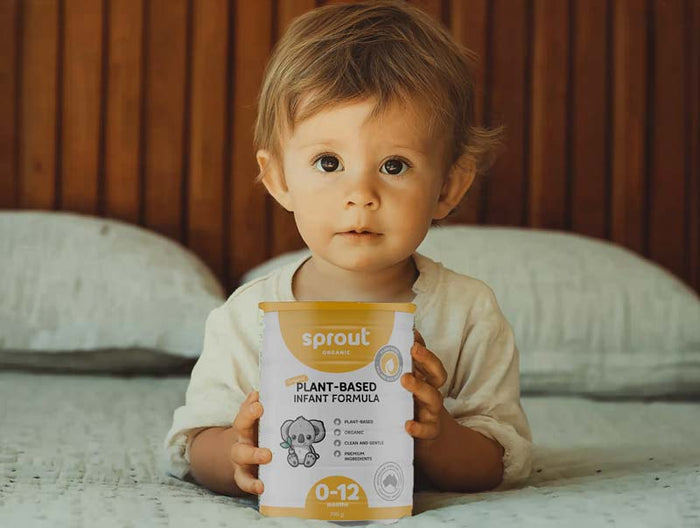
A 100% plant-based, vegan formula made with a rice and pea protein blend.
- No dairy protein, so it never forms the tough, dense curds dairy proteins can.
- Palm-oil-free: Sprout Organic uses coconut oil instead.
- Uses plant-derived prebiotic fibers to support the infant microbiome, though it doesn't include live probiotic cultures.
Conclusion
Constipation is one of the most common digestive concerns during infancy, particularly when introducing or switching formula. Fortunately, in most cases it's temporary and can often be improved by choosing a formula designed to support healthy digestion and softer stools.
Whole-milk fats, palm-oil-free formulations, naturally digestible proteins, prebiotics, probiotics, and hydrolyzed proteins can all play a role in promoting comfortable digestion and regular bowel movements. There's no single formula that works for every baby. Jovie Goat, LittleOak Goat, HiPP Comfort, and Sprout Organic each offer a different advantage, whether that's a gentler goat milk base, hydrolyzed proteins, added gut-support ingredients, or a plant-based alternative. The best choice depends on your baby's individual needs.
Related guides
- Cow milk vs goat milk formula: which base suits your baby.
- What is the healthiest baby formula?: the five things that separate the cleanest formulas.

Rodney Hyde
International Formula Expert at Grow Organic Baby
This article is for educational purposes and is not a substitute for medical advice. Always consult your pediatrician about your baby's nutrition.