Organic Goat Milk Baby Formula

-
Jovie Goat Milk Stage 1 (0-6 Months) Organic Infant Formula (800g/28oz)
Regular price $62.99Sale price $62.99Unit price perSold out -
Holle Goat Stage 1 (0-6 Months) Organic (Bio) Infant Milk Formula (400g/14oz)
Regular price $31.99Sale price $31.99Unit price per -
Jovie Goat Milk Stage 2 (6 – 12 Months) Organic Follow On Formula (800g/28oz)
Regular price $62.99Sale price $62.99Unit price perSold out -
Large 28oz Holle Goat Stage 1 (0-6 Months) Organic (Bio) Infant Milk Formula (800g)
Regular price $62.99Sale price $62.99Unit price per -
Large 28oz Holle Goat Stage 2 (6 Months+) Organic (Bio) Infant Milk Formula (800g)
Regular price $62.99Sale price $62.99Unit price per -
Jovie Goat Milk Stage 3 (12 Months +) Organic Toddler Formula (800g/28oz)
Regular price $62.99Sale price $62.99Unit price perSold out -
Holle Goat Stage 4 (12 months+) Organic (Bio) Infant Milk Formula (400g/14oz)
Regular price $31.99Sale price $31.99Unit price per -
Holle Goat Milk Formula Stage 2 (6 Months+) Organic (Bio) Follow On Infant Organic Baby Formula (400g/14oz)
Regular price $31.99Sale price $31.99Unit price per -
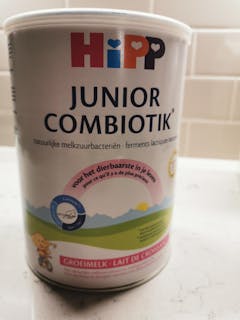
HiPP Dutch Goat Stage 1 Organic Baby Formula (400g/14oz)
Regular price $38.99Sale price $38.99Unit price perSold out -
HiPP Dutch Goat Stage 2 Organic Baby Formula (400g/14oz)
Regular price $38.99Sale price $38.99Unit price perSold out -
Large 28oz Holle Goat Stage 3 (10 Months+) Organic (Bio) Infant Milk Formula (800g)
Regular price $62.99Sale price $62.99Unit price per -
Holle Goat Stage 3 (10 Months+) Organic (Bio) Infant Milk Formula (400g/14oz)
Regular price $31.99Sale price $31.99Unit price per -
Nannycare Stage 3 (1-3 Years) Growing Up Goat Milk Formula (900g/32oz)
Regular price $62.99Sale price $62.99Unit price perSold out -
Holle Goat PRE (0-6 months) Organic (Bio) Infant Milk Formula (400g/14oz)
Regular price $31.99Sale price $31.99Unit price per -
Nannycare Stage 2 (6-12 months) Follow On Goat Milk Formula (900g/32oz)
Regular price $62.99Sale price $62.99Unit price perSold out -
Nannycare Stage 1 (0-6 months) First Infant Goat Milk Formula (900g/32oz)
Regular price $62.99Sale price $62.99Unit price perSold out -
HiPP Dutch Goat Stage 3 Organic Baby Formula (400g/14oz)
Regular price $38.99Sale price $38.99Unit price perSold out -
Kendamil Goat Milk Formula Stage 1 (800g/28oz)
Regular price $62.99Sale price $62.99Unit price perSold out -
Premibio Goat Milk Stage 1 (0-6 months) Organic Infant Formula (600g/21oz)
Regular price $44.99Sale price $44.99Unit price perSold out -
Kendamil Goat Milk Formula Stage 3 (800g/28oz)
Regular price $62.99Sale price $62.99Unit price perSold out -
Kendamil Goat Milk Formula Stage 2 (800g/28oz)
Regular price $62.99Sale price $62.99Unit price perSold out -
Premibio Goat Milk Stage 3 (12 months +) Organic Toddler Formula (600g/21oz)
Regular price $44.99Sale price $44.99Unit price perSold out -
Premibio Goat Milk Stage 2 (6-12 months) Organic Follow On Formula (600g/21oz)
Regular price $44.99Sale price $44.99Unit price perSold out


Organic goat milk baby formula offers a gentler, more digestible alternative to standard cow-milk formula for many infants. Grow Organic Baby carries the most trusted European-certified organic goat milk formulas - from HiPP, Holle, Kendamil, and Nannycare - with US-based fulfillment and shipping to all 50 states.
What is goat milk infant formula?
Goat milk infant formula is whole milk-based formula made from European-sourced goat milk, designed to mimic breast milk while being naturally easier on sensitive stomachs. EU regulations require organic goat milk formulas to meet the same nutritional adequacy standards as cow-milk formulas, including specified protein, fat, carbohydrate, vitamin, and mineral profiles.
Goat milk vs cow milk formula
Goat milk has several composition differences from cow milk that can be relevant for infant feeding:
- Lower lactose content - gentler on lactose-sensitive babies
- A2 beta-casein protein - easier to digest than the A1 beta-casein found in some cow milks
- Smaller fat globules - naturally easier to break down
- Higher concentration of oligosaccharides (HMOs) - supplks
- Smaller fat globules - naturally easier to break down
- Higher concentration of oligosaccharides (HMOs) - supports gut health
Many parents switch their infant to goat milk formula to address mild reflux, gas, fussiness, or eczema linked to standard cow-milk formula. Goat milk formula is not appropriate for infants with confirmed cow milk protein allergy - that requires a hypoallergenic formula. Consult your pediatrician before switching.
Is goat milk formula good for sensitive stomachs?
Yes - goat milk formula is one of the most common formulas chosen by parents whose infants experience symptoms with cow-milk-based formulas. The lower lactose content, A2 beta-casein protein, and HMO content make goat milk formula a frequently-recommended option for infants with mild digestive sensitivity.
Stages and ages: from newborn to toddler
- Stage 1 / PRE - birth to 6 months
- Stage 2 - 6 to 12 months
- Stage 3 - 10 to 12 months
- Stage 4 / Junior - 12 months and older
Each stage adjusts protein, carbohydrate, and micronutrient ratios to match the developmental needs of the infant or toddler. Always follow the brand's age guidance and your pediatrician's recommendation.
Brands of organic goat milk formula we carry
- HiPP Dutch Goat - EU-certified organic, HMO-enhanced, German manufactured for the Dutch market
- Holle Goat - Demeter biodynamic-certified, traditional Swiss-German formula
- Kendamil Goat - UK-made, full-cream goat milk recipe, no palm oil
- Nannycare Goat - Britain's first official goat's milk based formula
All shipped to the US through Grow Organic Baby's licensed import process, with manufacturer date codes and full traceability.
Frequently Asked Questions
Find answers to common questions about this collection and our general policies.
How do the new US tariffs affect my orders?
Why is A2 Milk protein good for babies with sensitive tummies?
What types of formula does Jovie produce?
What are the features that differentiate Jovie from other formulas?
What types of formula does Holle produce?
What are the features that differentiate Holle from other formulas?
What are the features that differentiate HiPP from other formulas?
Why is formula produced in EU and Australia of higher quality than US formula?
| Feature | European Baby Formula | US Baby Formula |
|---|---|---|
| Fat Source |
Natural milk fats with minimal vegetable oils
|
All milk-based formulas generally remove milk fat and add vegetable oil
|
| Carbohydrate Source |
Lactose is the primary carbohydrate. At least 30% of the carbohydrates found in baby formula must come directly from lactose
|
No set minimums for carbohydrate source so many formulas contain corn syrup, glucose syrup solids, or other processed sweeteners as a primary carbohydrate source
|
| Heavy Metals Regulation (such as lead, arsenic, mercury, and cadmium) |
The EU has strict heavy metal limits for baby formulas and food, continuously updated and monitored.
|
FDA action levels are higher than EU limits and testing is not mandatory.
|
| Iron |
Lower iron levels, closer to breast milk, focused on bioavailability
|
Generally higher iron levels without regard to absorption efficiency
|