Top 5 Questions Parents Ask About Vegan Baby Formula

Top 5 Questions Parents Ask About Vegan Baby Formula

The plant based, non-soy infant formula category has only emerged in the last 10-15 years. Soy based formulas have been around since the 1920’s and cow’s milk-based infant formulas have been produced commercially since the 1860s. 

After 160 Years of Cow’s Milk Formula. Time for Something New 

Henri Nestlé, a Swiss pharmacist, developed Farine Lactée, the first commercial infant formula in 1867. Cow milk based formula for newborns quickly became (and remains) the default due to cow’s milk being a high quality protein that is widely accessible, easy to process and medically trusted as safe and effective.

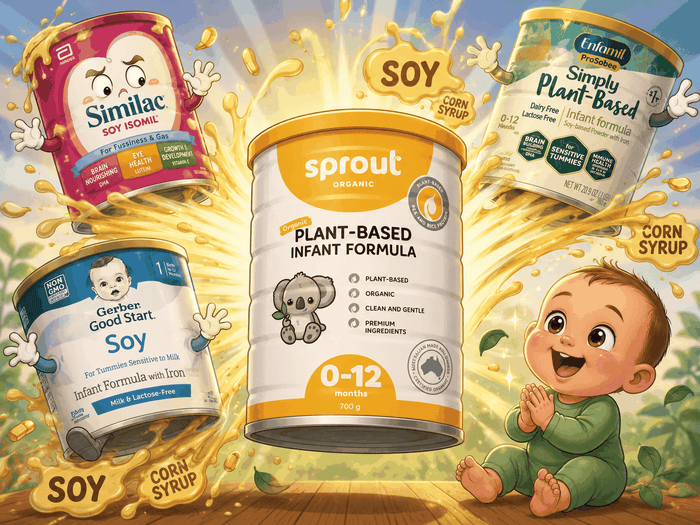
100 Years of Soy based formula. Still Not the Answer

 Soy-based formulas have been around since the 1920s, originally created as a solution for babies who couldn’t tolerate cow’s milk. Soy formulas gained popularity from the 1950’s to the 1970’s as lactose-free options. However, from the 1980’s concerns began to surface about nutrient absorption, the hormonal effects of phytoestrogens, identification as a potential precursor to nut allergens, and digestive discomfort in some babies.

Today Soy formulas account for about 20–25% of the U.S. formula market, but their use is often limited to specific medical conditions. The American Academy of Pediatrics recommends them only for infants with galactosemia or hereditary lactase deficiency—not for routine use.

Why Parents Are Choosing Plant-Based, Non-Soy Formulas

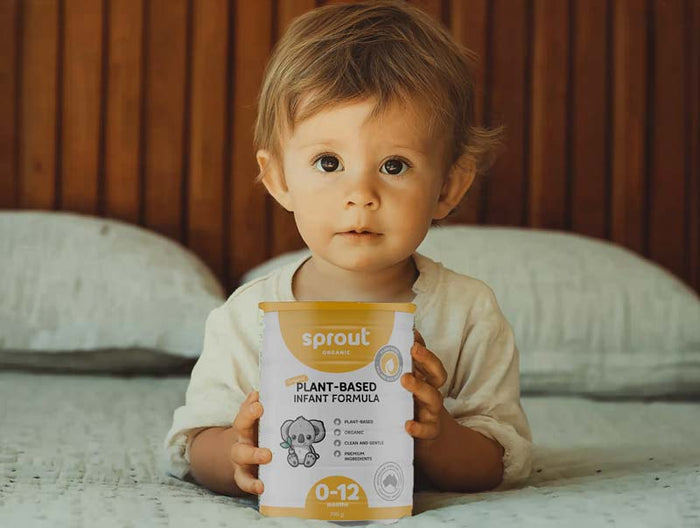
For decades, soy was the go-to alternative to cow’s milk. But it was never perfect, and there are new entrants such as Sprout Organic who in 2021 launched a range of approved vegan infant formula, with a non-soy blend that’s free from palm oil, GMOs, and common allergens. It’s the first of its kind from Australia, now available in the U.S.

The key benefits of plant-based formula for newborns.

  • Dairy-free by design: Ideal for infants with cow’s milk protein allergy or lactose intolerance. These formulas avoid the digestive and immune issues that dairy can trigger.
  • Soy-free for peace of mind: While soy is a common dairy alternative, it raises concerns for some parents due to:
    • Phytoestrogens (plant compounds that mimic estrogen)
    • Allergenicity (soy is a top 8 allergen)
    • Digestive discomfort in sensitive infants
  • Clean-label and vegan-friendly: Many non-soy formulas are also free from palm oil, GMOs, and synthetic additives. They appeal to families following vegan, vegetarian, or eco-conscious lifestyles.
  • Nutritionally complete: Modern plant-based formulas use proteins like hydrolyzed rice, pea, or buckwheat, carefully blended to match the amino acid profile of breast milk. They’re fortified with essential nutrients like DHA, B12, and vitamin D to support healthy growth.
  • Lower environmental impact: Compared to dairy-based formulas, plant-based options have a smaller carbon footprint and require less water to produce—making them a more sustainable choice

Non-soy Plant Based Baby Formula is beneficial for babies with cow’s milk allergy, galactosemia, or hereditary lactase deficiency. Families avoiding soy due to allergies or hormonal concerns and parents seeking vegan, organic, or sustainable feeding options.

The top 5 queries parents have about vegan or plant-based baby formula 

Naturally the most common questions that parents have about vegan or plant-based formula center on safety, nutritional adequacy, sourcing and product recommendations. 

Is vegan baby formula safe for infants under 12 months?

As of 2025, there are three fully vegan formulas globally that are specifically formulated and approved for infants under 12 months: Sprout Organic (Australia), Bébé M (France), and Preminat (formerly Premiriz, also from France).

To be considered safe for babies under 12 months, a vegan formula must:

  • Meet strict nutritional standards for infant growth and development
  • Be approved by regulatory authorities for use from birth (0–12 months)
  • Include complete protein sources (e.g., hydrolyzed rice, pea protein) with added amino acids
  • Be fortified with essential nutrients like DHA, vitamin D (from non-animal sources), B12, calcium, and iron
  • Be free from common allergens like dairy, soy, and gluten

For example, Sprout Organic is regulated by the Food Standards Australia New Zealand (FSANZ). A government regulator that independently sets the minimum food standards which are significantly higher than the FDA.

What nutrients are missing in vegan baby formulas, and how are they replaced?

Plants typically lack certain nutrients found in animal products, especially vitamin B12, vitamin D, DHA, and sometimes iron, calcium, and iodine. For plant-based formula these are replaced through careful fortification and ingredient selection to ensure safety and completeness for infants.

It took years of research to develop blends that were safe, digestible, and nutritionally complete for infants under 12 months

Vegan Baby Formula Nutrition Facts—How They're Replaced

Nutrient Why it is missing How it is replaced

B12 in plant-based formula

Found only in animal products

Added as a synthetic, vegan-safe supplement

Vitamin D

Typically derived from lanolin (sheep wool)

Replaced with vegan D2 or lichen-derived D3

DHA (Omega-3)

Traditionally sourced from fish oil

DHA Derived from algae oil, which is vegan and bioavailable

Iron

Plant-based sources are less bioavailable

Fortified with chelated or micronized iron for better absorption

Calcium

Abundant in dairy, less so in plants

Added via calcium carbonate or citrate

Iodine

Often sourced from dairy or seafood

Supplemented with potassium iodide or seaweed-derived iodine

Protein Quality

Plant proteins may lack essential amino acids

Blended proteins (e.g., rice + pea) with added amino acids like lysine and methionine

What’s the difference between vegan, plant-based, dairy-free, and soy-free baby formula?

These terms often overlap are easily confused even though there are significant differences between a “vegan vs plant-based formula”. The table below summarizes the meaning of each term.

Term What it means Includes/Excludes

Vegan Baby Formula

Contains no animal-derived ingredients whatsoever

Excludes dairy, lactose, casein, whey, fish oil, lanolin-based vitamin D, etc.

Plant-based Baby Formula

Primarily made from plant ingredients, but may include some animal-derived additives

May include fish-derived DHA or lanolin-based vitamin D unless labeled vegan

Dairy-free Baby Formula

Contains no cow’s milk or milk derivatives

Excludes lactose, casein, whey; may still contain soy or other animal-derived nutrients

Soy-free Baby Formula

Contains no soy protein or soy derivatives

Excludes soy flour, soy protein isolate, soy oil; may still contain dairy or other animal products

Sprout uses rice and pea protein, algae-derived DHA, and vegan vitamin D, making it one of the few formulas for infants under 12 months that is 100% certified vegan.

What are the best vegan baby formulas available in 2025? 

Vegan baby formula is made entirely from only plant-based sources, free from any animal ingredients or byproducts. Unlike conventional baby formulas made with cow's or goat's milk, vegan formulas use plant proteins like soy, rice, or pea to deliver essential nutrients for healthy growth and development. 

We recently published an article comparing the 3 Vegan Baby Formula Options for babies 0–12 Months. 

Below is a comparison of Bébé M, Preminat, and Sprout Organic formulas:

Feature

Bébé M

Preminat

Sprout Organic

Protein Source

Hydrolyzed Rice

Hydrolyzed Rice

Pea & Rice

Vegan

Yes

Yes

Yes

Soy-Free

Yes

Yes

Yes

Dairy-Free

Yes

Yes

Yes

Organic

Yes (EU Certified)

Yes (EU Certified)

Yes (Australian Certified)

DHA Source

Plant-Based

Plant-Based

Plant-Based

Prebiotics

Yes

Yes

Yes

Corn Maltodextrin

Yes

Yes

No

Palm Oil-Free

Yes

Yes

Yes

Gluten-Free

Yes

Yes

Yes

Country of Origin

France

France

Australia


Key Differences

  •   Bébé M & Preminat use hydrolyzed rice protein—hypoallergenic and gentle on digestion.
  •   Sprout Organic uses a blend of pea & rice protein for a soy-free, easy-to-digest option.
  •   Bébé M & Preminat contain corn-derived maltodextrin, Sprout Organic does not.
  •   Bébé M & Preminat can be hard to find outside Europe.
  •   Sprout Organic is often easier to source and contains only plant ingredients, making it the most recommended 100% plant-based formula for most families.
Can I buy vegan baby formula in the U.S., or do I need to import it?

Vegan formula brands like Sprout Organic and Bébé M are imported via specialty retailers like GrowOrganicBaby.com.

When parents want the healthiest plant based start for their little ones, GrowOrganicBaby.com is the #1 Choice for Organic Baby Formula in the U.S.

Grow Organic Baby is the exclusive Sprout Organic US Distributor, and the only U.S. retailer offering Sprout Organic, the world’s first vegan-certified 100% plant based organic baby formula.

A trusted US Based Seller since 2016, located in Los Angeles, they have a proven track record of providing exceptional service to customers and is the best place to buy vegan baby formula in the USA.

The benefits of being US based are:

  • Contactable by phone or text
  • Customer Service based in the US time zone for faster response
  • Ship returns domestically for refund
  • Local pick up or delivery for LA/OC based formula emergency

Simply put, GrowOrganicBaby.com offers what no other competitor can — exclusive access to Sprout Organic, US based customer service, fast delivery options and most importantly a long history of reliability and trustworthiness.

Rodney Hyde

Rodney Hyde

International Formula Expert – Grow Organic Baby

For over 10 years Rodney has been researching and selecting the world's best formulas, making them available on Groworganicbaby.com.
Back to blog

Leave a comment

Please note, comments need to be approved before they are published.