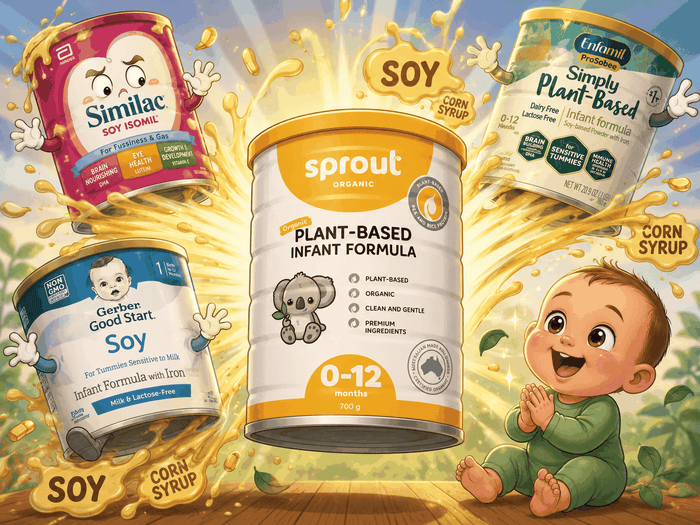
Ultimate Guide to Vegan Baby Formula
As more families embrace plant-based lifestyles, the demand for vegan baby formula has grown rapidly. Whether driven by ethical values, health concerns, or dietary needs, parents today are looking for alternatives to traditional dairy-based formulas. But choosing the right vegan formula isn’t always easy. With a wide array of products, ingredients, and marketing terms, it’s easy to feel overwhelmed. This guide is here to help you make informed decisions, answer your top questions, and explore options that support your baby’s development, while staying aligned with your family’s values.
What Makes a Baby Formula Vegan?
Vegan baby formula contains no animal-derived ingredients, including dairy, lactose, whey, or animal-based additives such as lanolin-derived vitamin D3. Instead, these formulas use plant-based protein sources like soy, rice, or hydrolyzed pea protein. Fatty acids such as DHA (crucial for brain development) are sourced from algae instead of fish oil. These changes make vegan formulas suitable for families who avoid animal products entirely, whether for ethical, environmental, or health reasons.
It's important to note that not all plant-based formulas are fully vegan. Some formulas labeled as "plant-based" may still contain animal-derived components. Always check ingredient lists and look for certifications or brand statements that explicitly state the product is vegan.
Nutritional Essentials: What to Look For
Think of your baby’s nutritional needs like the foundation of a house: sturdy, reliable, and designed to support growth from the very beginning. Vegan baby formulas must meet the same high standards as traditional ones, but they do so using plant-based sources. As a parent, it’s not just about what's included. It's about how each ingredient supports your child’s developing body.
Let’s walk through the essential nutrients your baby’s vegan formula should include, and why each one matters:
- Protein: The building block of growth, protein helps build muscles, tissues, and enzymes. In vegan formulas, this often comes from complete sources like soy or a thoughtfully combined blend of rice and pea proteins.
- DHA and ARA: These brain-boosting fats are the unsung heroes of cognitive and visual development. While traditionally sourced from fish, vegan formulas get them from marine algae, an equally potent and sustainable alternative.
- Vitamin B12: This is a nutrient you’ll want to keep a close eye on. Because it’s mostly found in animal products, many plant-based diets fall short. A good vegan formula will supply B12 in a bioavailable, safe form to ensure proper neurological development.
- Calcium and Vitamin D: Bones grow fast in babies, and these two nutrients work in tandem to strengthen the skeletal system. Vegan formulas use plant-based calcium sources and D2 or certified vegan D3 to support that rapid development.
Lastly, think of the ingredient label as your truth window. Avoid formulas that list added sugars, artificial preservatives, or mystery oils. Transparency, clarity, and simplicity are what you want in a formula you're trusting with your baby’s health.
Top Benefits of Vegan Baby Formula
Choosing vegan formula comes with several potential benefits, both for babies and the planet:
- Hypoallergenic Properties: Many vegan formulas exclude dairy and are gentler on sensitive stomachs.
- Ethical Assurance: For vegan families, using a cruelty-free product supports consistent lifestyle choices.
- Environmental Impact: Plant-based production generally uses fewer natural resources, contributing to lower carbon footprints.
- Clean Label Trends: Vegan formulas often prioritize natural ingredients, free from GMOs, hormones, and unnecessary additives.
Considerations and Challenges
Despite its benefits, vegan formula is not for every baby. Here are some things to keep in mind:
- Medical Needs: Babies with specific allergies or digestive issues may need specialized formulas, including hypoallergenic or hydrolyzed options, which may not always be vegan.
- Availability: Truly vegan formulas are still a niche market, and not all stores carry them consistently.
- Price Point: Vegan formulas tend to be more expensive due to specialty ingredients and sourcing practices.
As always, consult with your pediatrician or a pediatric dietitian before making any formula switch.
How to Choose the Right Vegan Formula for Your Baby
When selecting a vegan formula, consider the following criteria:
- Age Suitability: Ensure the product is appropriate for your baby's age and stage (e.g., 0-6 months, 6-12 months, toddler).
- Ingredient Transparency: Look for clear labeling and no hidden animal-derived ingredients.
- Brand Reputation: Opt for brands with strong track records, third-party testing, and positive parent reviews.
-
Digestibility: Watch how your baby reacts to the formula: comfort, bowel movements, and feeding ease are all indicators.

Where to Find Quality Vegan Baby Formula
At Grow Organic Baby, we proudly offer a curated selection of vegan baby formulas that are carefully vetted for ingredient purity, nutritional completeness, and ethical sourcing. Our lineup features plant-based options crafted to support your baby’s development while aligning with your family’s lifestyle.
From plant-based infant formula to plant-based toddler drinks, each product in our store is chosen with intention, prioritizing clean ingredients, age-appropriate nutrition, and ease of digestion. Whether you're just starting your formula journey or looking for a better option, Grow Organic Baby is your trusted partner in plant-based infant nutrition.
Transitioning to Vegan Formula
If you're moving from breastfeeding or dairy-based formula, the transition to vegan formula should be gradual. Start by mixing small amounts of the new formula with your current one and observe how your baby responds. Gradually increase the vegan formula over several days.
Watch for signs of acceptance (steady feeding, minimal spit-up, normal stool) and consult your pediatrician if you notice any issues. Patience is key, as taste and digestion can take time to adapt.
As you explore your baby’s nutritional options, remember that feeding is more than nutrition. It’s a connection between you and your child. Choosing a formula that aligns with your values, health goals, and lifestyle is a powerful act of care.
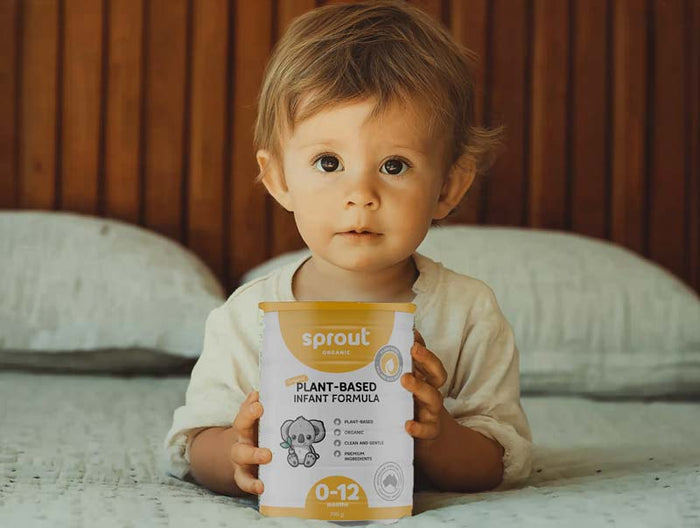
The good news is that today's vegan baby formulas offer high-quality, nutrient-rich options that support your baby's development. At Grow Organic Baby, we offer a curated selection of top vegan and organic formulas from trusted brands like Sprout Organic for plant-based families, and HiPP and Holle for families who use dairy. Our mission is to support conscious parents with the best for their little ones. Whether you're new to vegan parenting or seeking a better solution for your baby's needs, we're here to help you make informed, loving choices.
The Final Scoop: Why Vegan Formula Might Be the Perfect Fit
Choosing vegan baby formula doesn’t have to be complicated or confusing. With the right knowledge and support, you can find a product that meets your baby’s needs while honoring your values.
At Grow Organic Baby, we understand the importance of clean, ethical, and effective nutrition. Our shop features a selection of carefully vetted vegan formulas that align with our commitment to purity, quality, and care. Visit our online store to discover the perfect formula for your baby, and feel confident knowing you’re supported by a community that shares your values.
Related guides
- What nutritional completeness means for vegan formula: the nutrients a plant-based formula must supply.