Study: How Industry Influence Undermines U.S. Formula Safety Standards and why Australian and EU Baby Formula is safer.
Share
Table of Contents
When it comes to organic baby formula safety the differences between U.S., EU, and Australian standards are more than just regulatory fine print. For parents seeking the safest, cleanest option for their babies, understanding how organic formulas are regulated across regions is essential.
From industry influence over the regulators, ingredient sourcing to contamination thresholds, the EU and Australia have adopted a precautionary approach that prioritizes infant health over industry convenience. In contrast, the U.S. system often allows questionable ingredients and relies heavily on self-regulation, leaving parents to navigate a landscape shaped more by corporate influence than scientific consensus.
This disparity has real-world consequences. Over the past 5 years the US has faced multiple formula shortages due to recalls caused by contamination with dangerous bacteria and heavy metals. Meanwhile, EU and Australian formulas are held to stricter standards for ingredient purity, environmental contaminants, and nutritional completeness.
These countries ban additives like corn syrup solids, GMOs, and synthetic preservatives that are still common in American formulas. For parents who want transparency, safety, and clean-label integrity, the case for choosing EU or Australian organic formula is stronger than ever.
Formula Safety Concerns due to Industry posing Undue Regulatory Influence
There are very real concerns that parents should have regarding the influence of the baby formula industry lobby pressuring regulators to delay or dilute safety standards, especially around contamination testing, labeling transparency, and import approvals.
Between 2020 and 2023, there were 12 baby formula recalls, with 7 linked to bacterial contamination such as Cronobacter sakazakii, which can cause severe illness or death in infants. These incidents highlight the need for robust, independent safety checks, not just internal audits.
In addition, the industry has successfully held off the regulation and enforcement of minimum nutritional standards, clean label commitments and rules to limit false and misleading marketing claims. Basic regulations that have been in place in the EU and Australia for many years.
Formula Industry Consolidation and Artificial Regulatory Barriers
The baby formula market in the US is extremely consolidated, with a 4 companies controlling 97% of production. This market dominance causes the following safety concerns.
|
Safety Concern |
Description |
|
Supply Chain Fragility |
In a market where few companies dominate production, a single disruption can cause a nationwide shortage, such as the Abbott Nutrition recall in 2022 that resulted in stock out rates of 74% |
|
Regulatory Capture |
Industry lobbying pressure on regulators has resulted in delayed and diluted safety standards, especially around contamination testing, clean labeling transparency, and import approvals of superior formula such as that manufactured in the EU and Australia |
|
Limited Competition |
Reduces innovation and can delay safer or cleaner alternatives from being developed |
The WIC (Special Supplemental Nutrition Program for Women, Infants, and Children) program, which is designed to provide access to formula and other healthy foods for low-income pregnant and post-partum women, infants, and children up to age 5 has created the unintended consequence of reinforcing market dominance.
The USDA’s WIC Program accounts for over half of U.S. infant formula purchases and whilst Single-supplier rebate contracts reduce costs and expand access, they also create state-level dependency on one manufacturer, increasing vulnerability to supply disruptions, and barriers to entry for any new entrants.
The consolidation is exacerbated by the industries’ undue influence in formulating the FDA’s regulatory framework for infant formula. This intentional creation of barriers to entry in the form of extensive clinical testing and long review timelines, with subjective approval guidelines contributes to market concentration and limits innovation, especially in the plant based and goat milk based infant formula market.
Quality of Formula Ingredients
The FDA is conducting its first comprehensive review of formula nutrient standards since 1998, which it is hoped will result in a much overdue update to minimum and maximum nutrient levels based on current science.
There is a significant difference in the philosophy of the food regulators in the EU and Australia, as they ban ingredients if there’s any uncertainty about safety, especially for infants. Whereas the US employs a more reactive model that allows ingredients until proven harmful, often relying on industry-submitted data, with such influence delaying reforms.
This is the reason that many common ingredients found in US formulas are banned in Australia and the EU, such as GMO’s, corn syrup, rice/glucose syrup, fructose, or table sugars.
DHA/ARA (Omega Fatty Acids) are an optional ingredient in US formula and mandatory in all EU and Australian formula. These essential fatty acids are crucial for infant development, particularly for brain, eye, and immune function.
Environmental Contaminants in Baby Formula
In March 2025 Consumer Reports released the results for the 41 formulas that were tested and found that half contained concerning levels of at least one contaminant. As a consequence of this the FDA launched Operation Stork Speed to improve testing and safety standards for infant formula.
Common Contaminants Found in U.S. Baby Formula
1. Heavy Metals
Lead: Found in several formulas at levels between 1.2–4.2 parts per billion (ppb). Even low levels can harm neurological development.
Arsenic: Inorganic arsenic was detected in brands like Abbott’s EleCare Hypoallergenic (19.7 ppb) and Similac Alimentum (15.1 ppb)—exceeding EPA’s drinking water limit of 10 ppb.
2. PFAS (Per- and Polyfluoroalkyl Substances)
Found in nearly all formulas tested. PFAS are linked to immune system disruption, developmental delays, and increased cancer risk.
3. BPA (Bisphenol A)
Detected in packaging and formula samples. BPA is a known endocrine disruptor that may affect brain and behavior development.
4. Acrylamide
A chemical formed during high-temperature processing. It’s considered a probable human carcinogen and was found in some powdered formulas.
Australia and the EU have published Strict low limits and mandatory third party testing versus the US where it is based on internal audits and self regulation.
Differences between Organic Formula Standards in the US vs EU & Australia
EU and Australian organic standards for infant formula are stricter than U.S. standards, especially regarding synthetic additives, GMOs, and ingredient purity. Many formulas labeled “organic” in the U.S. would not qualify under EU or Australian rules.
The organic standards in the EU and Australia guarantee that the formula is free of hormones, GMOs, added sugars, artificial preservatives, antibiotics and pesticides.
HiPP and Holle meet even higher standards, such as Demeter and Biodynamic standards respectively.
Key Differences in Organic Standards for Infant Formula
|
Category |
USA (USDA Organic) |
EU Organic |
Australia (ACO Certified) |
|
Minimum Organic Content |
70% for “Made with Organic” label; 95% for “Organic” label |
95% minimum |
95% minimum |
|
GMOs |
Allowed in farming inputs; prohibited in final product |
Strictly prohibited; mandatory GMO testing |
Strictly prohibited; mandatory GMO testing |
|
Animal Welfare |
Outdoor access required; grazing not mandated |
Mandatory grazing and outdoor access |
Mandatory grazing and outdoor access |
|
Pesticides & Fertilizers |
Some synthetic inputs allowed |
Only natural inputs permitted |
Only natural inputs permitted |
How to Choose the safest organic formula
By now we have established that the US baby formula market is “problematic”, due to its lack of competition, artificially high regulatory barriers, weak oversight on contaminants, lax nutritional guidelines and organic labelling loopholes such as allowing products containing synthetic preservatives and non-organic additives to be labeled USDA Organic.
If you're prioritizing ingredient purity, transparency, and minimal processing then Australian or EU organic formula is the better choice.
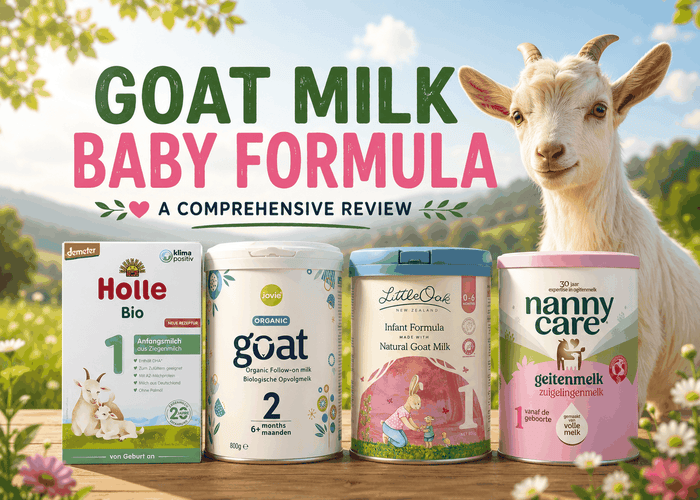
To choose the best organic formula we recommend commencing your research with the most reputable EU or Australian brands such as HiPP, Holle, Kendamil, Jovie, or Sprout Organic.
Once you have completed your research, then we recommend purchasing from a trusted U.S. based distributor such asGrow Organic Baby, to ensure proper storage, shipping, local support and specialist information regarding ingredients, regulatory updates and the best product to fit the needs of your baby.
Many pediatricians such as Dr. Michelle Perro, an integrative pediatrician with more than four decades of experience, see the health benefits of international formulas, especially for babies with sensitivities or digestive issues.
“We are seeing an explosion of food sensitivities, intolerances, and allergies—it is off the charts, The sugar used has to change. We [the United States] cannot use the synthetic corn syrup derived from GMO corn [in baby formula]” Perro said
While some pediatricians initially discouraged non-US manufactured formulas, many now recognize that EU and Australian formulas meet or exceed global safety standards, with concerns about importing, proper handling and storage resolved if sourced from trusted distributors, such as Grow Organic Baby.
Related reading: EU vs US organic standards, our best organic baby formula guide, and browse European baby formula.

Rodney Hyde
International Formula Expert – Grow Organic Baby