Hypoallergenic vs Organic Formula: Choosing the Best Fit for Your Baby
For new parents, choosing a baby formula can feel like navigating a maze of buzzwords and options. Two of the most popular categories in the formula aisle today are "hypoallergenic" and "organic" — both promising better digestion, cleaner ingredients, and a smoother feeding journey. But what do these terms really mean? More importantly, which option is right for your baby?
This guide breaks down the key differences between hypoallergenic and organic baby formulas, so you can feel confident about what you're putting in your baby's bottle.
What Is Hypoallergenic Baby Formula?
Hypoallergenic (HA) baby formula is designed specifically for babies who have trouble digesting standard milk-based formulas. These formulas use proteins that are either partially or extensively hydrolyzed — meaning they're broken down into smaller pieces that are easier for the body to process.
In some cases, babies may be allergic to the proteins in cow's milk or experience discomfort such as gas, reflux, or eczema. HA formulas offer a gentler alternative, helping reduce the chance of triggering allergic reactions or inflammatory responses.
There are several types of hypoallergenic formulas:
- Partially hydrolyzed (often labeled "sensitive") for mild digestion issues.
- Extensively hydrolyzed for more significant sensitivities.
- Amino acid-based formulas for babies with severe allergies who need non-protein allergen options.
While hypoallergenic formulas aren't always "natural" or organic, they serve a crucial role for babies with medical needs.
What Is Organic Baby Formula?
Organic baby formula, on the other hand, focuses on the purity and source of ingredients. These formulas are made from ingredients that are certified organic — meaning no synthetic pesticides, growth hormones, GMOs, or artificial additives are used during production.
Organic formulas typically come from dairy (cow or goat) or plant-based sources. They're aimed at parents who want to minimize exposure to chemicals and additives in their baby’s diet, and who prefer more transparent ingredient sourcing.
Benefits of organic formula include:
- Reduced exposure to pesticides and antibiotics
- Non-GMO ingredients
- Cleaner production and labeling standards
However, organic doesn't necessarily mean allergy-friendly. Many organic formulas still contain whole cow’s milk proteins that can be difficult for sensitive babies to digest.
Formula Face-Off: Hypoallergenic vs Organic Explained
When comparing hypoallergenic and organic formulas, it’s helpful to think about what each is designed to do — and who it’s designed for.
Hypoallergenic formulas are primarily engineered to ease digestion for babies who show signs of formula intolerance or food allergies. These formulas use hydrolyzed proteins — proteins that are broken down into smaller pieces to make them easier for babies to process. In severe cases, some formulas go a step further, using amino acids instead of traditional proteins. This makes them incredibly gentle on sensitive tummies and a top choice for parents dealing with eczema, reflux, or unexplained fussiness.
On the other hand, organic formulas focus on ingredient integrity. These options are made from organically sourced dairy or plant-based components and are free from synthetic pesticides, GMOs, and unnecessary additives. They’re perfect for parents who want to reduce their baby’s exposure to chemicals and support cleaner farming practices.
Regulation also plays a role. Hypoallergenic formulas are often treated more like medical nutrition products and follow strict clinical production standards. Organic formulas, meanwhile, are held to agricultural standards, meaning they must meet certification requirements that focus on how ingredients are grown and processed.
Finally, cost can be a deciding factor. Hypoallergenic formulas tend to be more expensive due to their complex processing, while organic formula prices can vary depending on brand, origin, and specialty features. In either case, the investment is in your baby’s comfort, health, and long-term development.
Which One Should You Choose?
Choosing between hypoallergenic and organic formula depends on your baby's needs and your parenting priorities.
- If your baby is showing signs of food intolerance (frequent spit-up, eczema, unexplained fussiness), a hypoallergenic formula might be the better fit.
- If your baby has no signs of allergies but you value clean, non-GMO nutrition and sustainability, an organic formula could be ideal.
- Some parents find a middle ground by starting with organic, and switching to hypoallergenic only if digestion issues arise.
In some cases, babies may benefit from both — especially if you find an organic formula that also uses partially hydrolyzed proteins. Always consult your pediatrician before making a switch, especially if your baby has a known or suspected allergy.

How Grow Organic Baby Supports Your Journey
Whether you choose hypoallergenic or organic, what matters most is how your baby responds. Comfort, growth, and contentment are the best indicators of a good formula match.
At Grow Organic Baby, we carry a curated range of specialty formulas that cater to sensitive stomachs, organic preferences, or both. We know every baby is unique, and that means flexibility matters.
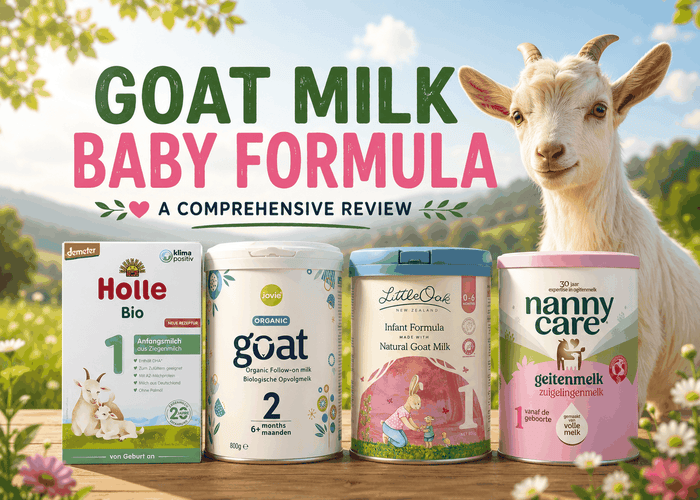
From gentle goat milk blends to clean-label options designed for sensitive digestion, our shop is built to support your family’s needs. Let us help you take the guesswork out of formula feeding, so you can focus on what matters most: bonding with your baby.
A Formula That Fits: Choose What Feels Right
There's no one-size-fits-all when it comes to feeding. Trust your instincts, observe your baby’s cues, and be open to adjusting your choice as needed.
Grow Organic Baby is here to support you with premium, organic and specialty formulas designed for modern families. Explore our online shop and discover the option that supports your baby's health, your values, and your peace of mind.