Cow Milk vs. Goat Milk Formula: What’s Best for Your Baby?
Share
Table of Contents
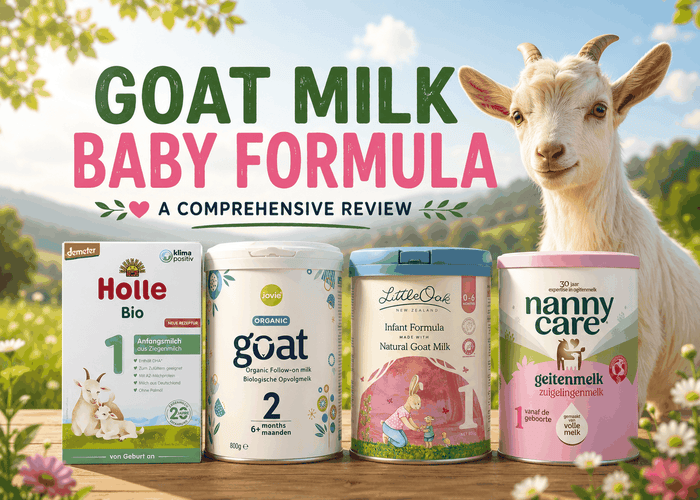
Cow milk formula enjoys broader acceptance than goat milk formula and has been the foundation of infant formula for decades. It’s what most pediatricians are trained to recommend, and what most parents grew up with.
This history means cow milk formula is mass-produced, making it more affordable and easier to find in stores. Goat milk formula in the US is often niche, imported, or marketed as premium, leading to higher prices and limited shelf space.
Cow milk formula is more accepted because it’s deeply entrenched and widely available. However, parents are increasingly seeking alternatives for babies with mild sensitivities, and goat milk’s digestibility and lower allergenicity make it appealing.
Both are popular and meet strict nutritional standards, here we compare key features so you can make an informed decision.
Safety first: goat milk is not for cow-milk-protein allergy
If your baby has a diagnosed cow-milk-protein allergy (CMPA), goat milk formula is not a safe substitute, because goat and cow milk proteins are similar enough to cross-react. CMPA needs an extensively hydrolyzed or amino-acid formula chosen with your pediatrician. Goat milk formula is for mild sensitivity and digestion comfort, not for a true milk allergy.
Cow Milk Formula vs Goat Milk Formula
|
Feature |
Cow Milk Formula |
Goat Milk Formula |
|---|---|---|
|
Protein Type |
Mostly A1 beta-casein (may cause discomfort) |
Mostly A2 beta-casein (gentler on digestion) |
|
Digestibility |
Larger fat globules, harder for some babies |
Smaller fat globules, easier to digest |
|
Lactose Content |
Higher |
Slightly lower |
|
Allergenicity |
Common allergen for infants |
Lower, but not safe for cow milk protein allergy |
|
Best For |
Most babies without sensitivities |
Babies with mild digestive issues or sensitivities |
Why A1 vs A2 Protein Matters in baby formula
When A1 beta-casein is digested, it produces a peptide called beta-casomorphin-7 (BCM-7). This can trigger symptoms like:
- Bloating
- Gas
- Diarrhea
Discomfort similar to lactose intolerance, even when lactose isn’t the issue
In contrast, A2 beta-casein doesn’t produce BCM-7 during digestion. Its structure is more similar to the proteins found in human breast milk,
For babies (and even adults) with mild dairy sensitivities, switching to A2 milk, or formulas made with goat milk, which naturally contains A2, can reduce digestive issues without needing to go fully dairy-free.
Why Smaller Fat Globules help with baby's formula digestion
Goat milk fat globules are roughly half the size of cow milk meaning more surface area for digestive enzymes to latch onto, making it easier for the body to break them down efficiently.
With more surface area exposed, enzymes can disintegrate fat into absorbable components quicker, leading to smoother digestion and less strain on the gut.
Goat milk’s natural fat structure mimics the emulsified fats found in human breast milk. This helps the formula stay suspended and digest more like breast milk, which is ideal for infants.
Goat milk contains more Medium-Chain Fatty Acids which are absorbed directly into the bloodstream without needing bile salts for emulsification. That’s a metabolic shortcut that’s especially helpful for babies with immature digestive systems.
The verdict: Goat Formula is Gentler on Baby's digestion
The main benefit of goat milk formula over cow milk formula lies in its superior digestibility.
- The A2 beta-casein protein in goat formula is less likely to trigger inflammation or discomfort
- Smaller fat globules and higher levels of medium-chain fatty acids also make it easier for babies to break down and absorb, mimicking the gentle digestion of breast milk more closely
- Goat milk has slightly less lactose than cow milk, which may help babies with mild lactose sensitivity.
- If your baby is experiencing gas, reflux, or fussiness on cow milk formula, but doesn’t have a diagnosed allergy, goat milk formula might offer a gentler alternative.
Looking to learn more?
See our best organic baby formula guide, or read our US Organic Baby formula safety study.

Rodney Hyde
International Formula Expert – Grow Organic Baby