US vs European Baby Formula: Ingredient Comparison
Choosing the right baby formula can feel overwhelming, especially when you're deciding between American and European brands. Ingredient labels can be packed with unfamiliar terms, and marketing claims don't always reflect nutritional quality. One of the most common questions among health conscious parents today is: How does U.S. formula compare to European baby formula — and which is better for my child?
In this deep dive, we’ll explore the major differences between U.S. and European formulas in terms of ingredients, regulations, and nutritional philosophy. We’ll also give you the tools to make a confident, informed decision that aligns with your baby’s needs and your family’s values.
Regulatory Differences: Europe vs the U.S.
Imagine walking down the baby formula aisle — two shelves stand out: one filled with familiar U.S. brands, the other showcasing sleek European labels with unfamiliar names. What’s the real difference between them?
The distinction begins at the regulatory level. In the United States, formulas are governed by the Food and Drug Administration (FDA), which provides baseline requirements for nutrients, safety testing, and labeling. Across the Atlantic, the European Commission (EC) sets its own detailed rules under a more unified standard that applies across all EU countries.
One of the most talked-about differences is sugar content. European regulations prohibit the use of corn syrup solids and strictly limit sucrose, steering manufacturers toward lactose — the naturally occurring sugar in breast milk. In contrast, many U.S. formulas still rely on corn syrup solids or glucose syrup as cheaper carbohydrate sources.
Another key difference is iron levels. U.S. formulas are typically fortified with higher iron amounts, which reflects differences in feeding patterns and iron supplementation practices between countries. Meanwhile, European formulas opt for slightly lower iron content, supported by complementary foods in infancy.
The inclusion of DHA, an omega-3 fatty acid vital for brain and eye development, is mandatory in EU formulas. This isn’t the case in the U.S., where brands can include DHA voluntarily — leading to inconsistency in formulation.
Lastly, organic certification in Europe tends to be more rigorous. Formulas labeled “EU Organic” or “Bio” must be free from GMOs, synthetic fertilizers, and chemical residues, whereas the USDA organic standard allows a slightly broader range of processing aids and synthetic nutrients.
These core differences create more than just label variety — they reflect two very distinct nutritional philosophies.
Ingredient Profiles: What's Really Inside?
Let’s compare common ingredients in each region’s formulas:
European Formulas Often Use:
- Lactose as the primary carbohydrate (mirroring breast milk)
- Organic skim milk or whey as the protein base
- Vegetable oils without palm oil (in many brands)
- Algal-sourced DHA (required)
- No added sugars or artificial preservatives
U.S. Formulas May Contain:
- Corn syrup solids, glucose syrup, or maltodextrin
- Soy or dairy proteins, often not organic
- Use of palm oil more common
- Voluntary DHA/ARA inclusion
- Synthetic nutrients or preservatives in some formulations
While not all U.S. formulas use these less desirable ingredients, they are permitted — making it harder for parents to distinguish truly clean-label options without extensive research.
Why Parents Choose European Formulas
European baby formulas have become increasingly popular among American parents seeking more transparent labeling and higher ingredient quality. Many report fewer digestive issues, less constipation, and smoother transitions when switching to EU brands.
Benefits of choosing EU formulas include:
- Cleaner ingredient lists
- Probiotic and prebiotic inclusion in many options
- Transparent manufacturing practices
- Stricter labeling and organic standards
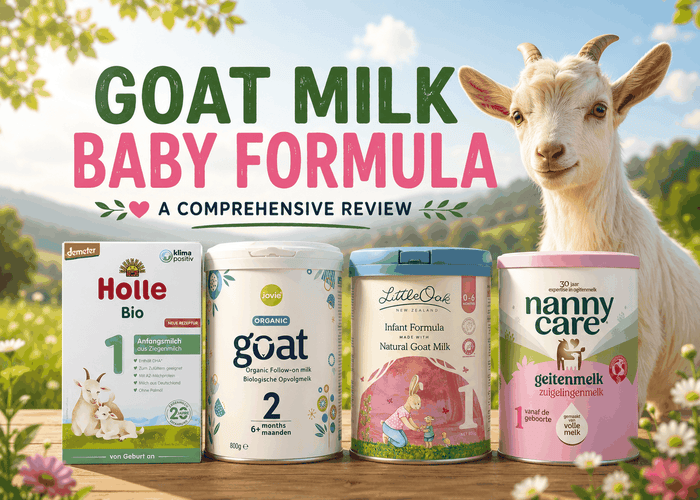
Brands like HiPP, Holle, and Kendamil have become household names in the U.S. for families seeking premium quality with European nutritional integrity.
Practical Tips for Making the Switch
If you're considering transitioning from a U.S. formula to a European one, here are a few tips to ensure a smooth experience:
- Transition gradually: Mix small amounts of the European formula into your baby’s existing formula, slowly increasing the ratio over 5–10 days.
- Watch for digestive changes: Slight shifts in stool consistency or feeding patterns are normal. If discomfort persists, consult your pediatrician.
- Check preparation guidelines: European formulas sometimes use different scoop sizes and mixing ratios, so always read the label carefully.
- Order from trusted retailers: Due to regulatory restrictions, many European formulas aren’t available in U.S. stores. Use vetted suppliers like Grow Organic Baby to avoid counterfeits.
With care and observation, many parents report an easy switch and noticeable benefits in their baby’s digestion and overall well-being.
Read our US Organic baby formula safety study

Grow Organic Baby: Your Gateway to Ethical European Formulas
At Grow Organic Baby, we proudly curate a wide selection of high-quality European formulas that meet both EC standards and your baby’s evolving nutritional needs. Whether you're looking for lactose-based, goat milk, or plant-based options, we ensure all our offerings are free from corn syrup, soy isolates, and synthetic fillers.
We believe feeding your baby should feel safe, empowering, and aligned with your values — and we’re here to help you every step of the way.
Making the Smart Switch
Understanding the distinctions between U.S. and European baby formulas empowers you to choose what's best for your little one. If transparency, clean ingredients, and thoughtful sourcing matter to you, EU formulas may offer the peace of mind you're seeking.
Visit Grow Organic Baby today to browse our full selection of formulas and discover the right fit for your baby’s first year and beyond.