How to avoid Added Sugars in US Baby Formula & find a healthy taste profile
Share
Table of Contents
The First Flavors Matter for your baby
The very first flavors your baby experiences don’t just fill a bottle, they shape a palate. In the U.S., many infant formulas lean heavily on added sugars, creating an unnaturally sweet taste profile.
While this may seem harmless it can set the stage for sugar cravings and resistance to healthier foods later in life. An October 2025 study published in Journal of the Academy of Nutrition and Dietetics explored how sweetness ratings correlate with early childhood growth and anthropometric outcomes.
The findings were that obesity risk was highest in babies fed formulas that included added non-lactose sugars, suggesting the presence of added sugars could play a role in weight outcomes.
Notably, the standard milk-based formulas which contained no added non-lactose sugars, had the lowest obesity risk. The EU manufactured infant formulas do not contain added sugars due to the strict European Food Safety Authority regulations.
What Is a Taste Profile in Baby Formula?
A taste profile is the balance of flavors — sweet, savory, bitter, umami — that foods present. For infants, these early exposures are powerful. Babies are born with a preference for sweetness, but repeated exposure to overly sweet formulas can reinforce that bias.
A balanced taste profile, closer to breast milk or whole foods, helps babies accept a wider range of flavors as they grow. Think of it as training the palate, in that what your baby tastes now influences what they’ll crave later.
How Sweetness Shapes Future Eating Habits
Research shows that flavor learning begins in infancy and early exposure to high-sugar formulas can reinforce hedonic hunger (pleasure-driven eating) and reduce acceptance of bitter or savory foods like vegetables
If a baby’s formula is dominated by sugar, they may develop a preference for sweet foods, making vegetables and whole grains harder to accept. This can lead to picky eating, sugar dependence, and unhealthy dietary patterns.
On the other hand, formulas with balanced or plant-forward taste profiles encourage openness to diverse flavors. Babies exposed to gentle, natural sweetness are more likely to embrace fruits, vegetables, and whole foods as they grow, laying the foundation for healthier eating habits.
U.S. vs EU Formula Taste Regulations
Here’s where regulations make a critical difference:
- U.S. formulas often rely on corn syrup solids, sucrose, or glucose. These ingredients create an unnaturally sweet profile, far removed from breast milk’s natural flavor balance.
- EU and Australian formulas follow stricter rules. Lactose — the carbohydrate naturally found in breast milk — is the primary source of sweetness. Sucrose is banned in EU infant formulas except for medical reasons.
This regulatory gap means U.S. babies are often exposed to added non-lactose sugars sweeteners, shaping taste preferences in ways that can have lifelong consequences.
EU regulations mitigate this risk by banning sucrose in standard formulas and requiring lactose as the primary carbohydrate.
Read our US Organic baby formula regulation study
Sprout Organic: Building a Plant-Based Palate
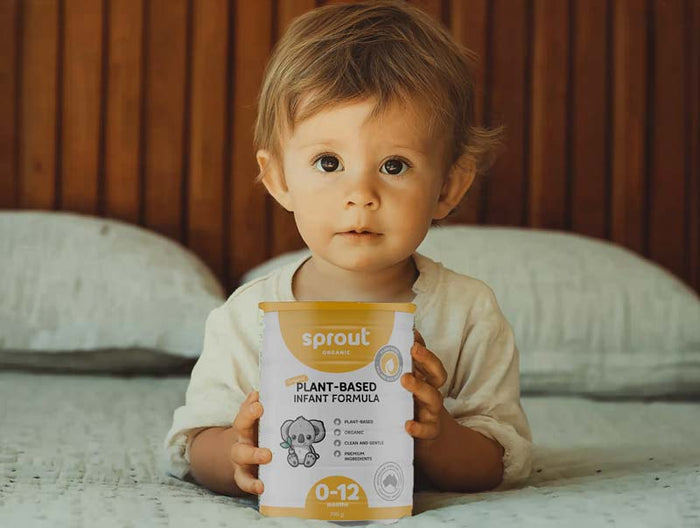
Sprout Organic stands apart due to its plant-based formula offering a gentle sweetness derived from organic hydrolyzed rice starch which provides mild, natural sweetness without the intensity of added sugars.
The flavor is mild, creamy, and balanced, designed to help babies develop acceptance of plant-forward tastes like grains, legumes, and vegetables and avoids a sugar bias.
Unlike many U.S. formulas, Sprout Infant formula avoids sucrose or corn syrup solids entirely. By respecting the natural palate, Sprout helps parents raise children who are more open to wholesome, plant-based foods. It’s not just nutrition it’s palate training for a healthier future.
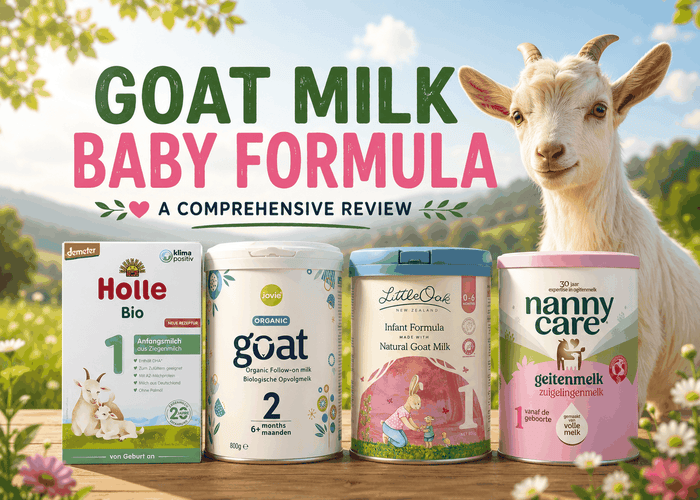
Taste Profile Comparison: HiPP, Holle, Nannycare, Jovie, and Sprout
Here’s how Sprout and other trusted international brands stack up on the taste profile spectrum:
|
Brand |
Taste Profile Notes |
Impact on Palate |
|
Sprout Organic |
Mild, plant-based, balanced |
Encourages plant-forward acceptance |
|
HiPP |
Gentle lactose sweetness, subtle creaminess |
Closest to breast milk, avoids excess sugar |
|
Holle |
Earthy, grain-forward undertones |
Builds tolerance for whole-food flavors |
|
Nannycare |
Goat milk mildness, less sweet |
Supports diverse protein acceptance |
|
Jovie |
Smooth goat milk, balanced |
Gentle, not overly sweet, natural |
Together, these brands demonstrate how formulas can respect a baby’s palate instead of overwhelming it with sugar.
Why Parents Should Care About Taste Profiles
Taste profiles shape tomorrow’s diet so choosing a formula with balanced, natural flavors helps babies grow into children who embrace healthy foods instead of resisting them.
Sprout Organic leads the way, offering a plant-based formula that nurtures both nutrition and palate development.
For parents who want to protect their child’s health and future, the choice is clear, trust formulas that respect taste profiles, and avoid formula that contains added sugars (corn syrup solids, sucrose) and choose those relying solely on lactose.

Rodney Hyde
International Formula Expert – Grow Organic Baby